
LISBONA OIL, COMMERCIAL DISTRIBUTOR OF HOME DIESEL
606 331 402
enEnglish
esEspañol
logo_lisbonaoil
  • Diesel delivery
    • Diesel delivery in Malaga
    • Diesel delivery in Granada
      • Gasoil at home – Almuñécar
      • Gasoil at home – Salobreña
      • Gasoil at home – Motril
    • AdBlue on delivery
    • On-road diesel delivery
    • Red diesel delivery
    • Heating oil delivery
    • Marine Fuel Delivery
  • Convenience store
  • Services
    • Gas station 24h
    • Installation of tanks
    • Self-washing
    • Laundry
    • Pet wash
    • Amazon Locker
    • Motorhome point
    • Photovoltaic systems
  • Company
  • Blog
  • Contact
Diesel Delivey
LlámenosClientes

How to bleed heating radiators: A step-by-step guide
Posted on 22 de December de 2025
purgar calefacción

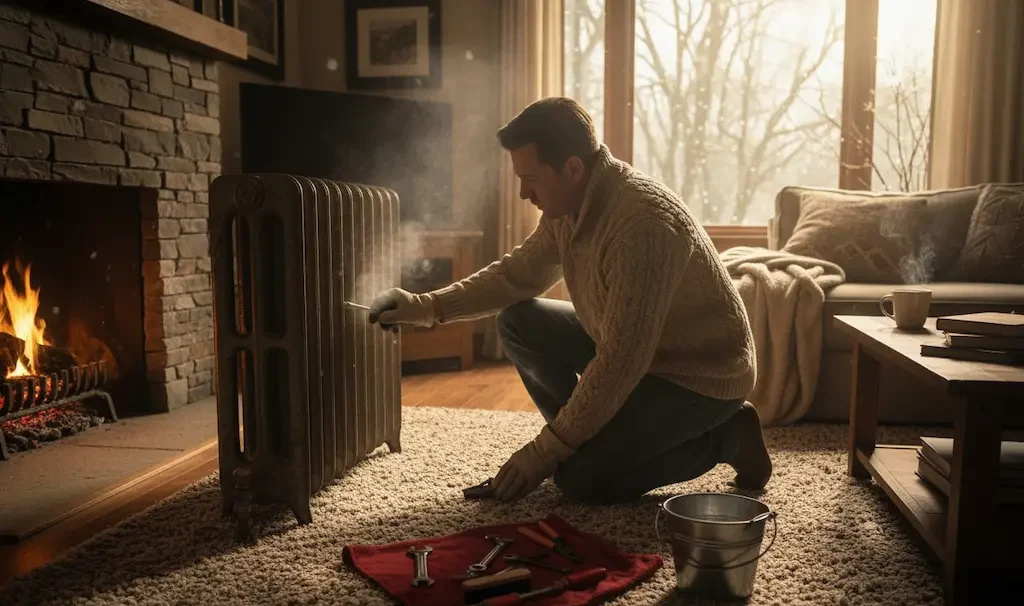
When winter hits, there is nothing more frustrating than a heating system that doesn’t warm up properly. If you notice that your radiators aren’t heating up completely, are making strange noises, or have cold spots, they probably need bleeding. In this article, you will learn how to bleed heating radiators step by step, with useful tips and best practices to keep your system efficient and safe.

Tabla de Contenidos

Toggle
  • What does bleeding the heating mean?
  • Why is it important to bleed radiators?
  • Step-by-step guide to bleeding heating radiators
    • 1. Turn off the boiler and let the system cool down
    • 2. Gather the necessary tools
    • 3. Start with the radiator furthest from the boiler
    • 4. Repeat the process for all radiators
    • 5. Check the boiler pressure
  • When should you bleed your radiators?
  • Tips for keeping your heating system in good condition
  • What errors should you avoid when bleeding the heating?
  • What to do if the radiator still doesn’t heat up after bleeding?
  • Does bleeding the heating affect energy consumption?
  • Who can bleed the radiators? Is a technician necessary?
  • Conclusion: Simple maintenance that makes a difference

What does bleeding the heating mean?

Bleeding the heating system consists of removing the air trapped inside the radiators. That air prevents the correct circulation of hot water, causing the radiator to heat unevenly. It is a simple maintenance task, but essential for the proper functioning of any water-based heating system.

Why is it important to bleed radiators?

  • Reduces energy consumption, as the system doesn’t have to work as hard.
  • Prevents annoying noises, such as banging or bubbling.
  • Extends the lifespan of the boiler and the entire system.
  • Prevents costly breakdowns related to pressure and water flow.

Step-by-step guide to bleeding heating radiators

1. Turn off the boiler and let the system cool down

It is essential to start with the system turned off and cold. This prevents burns from hot water and allows the air to rise to the top of the radiator, where the bleed valve is located.

2. Gather the necessary tools

  • A bleed key (or a flat-head screwdriver)
  • A container to catch the water
  • A cloth or paper towel

3. Start with the radiator furthest from the boiler

Slightly open the bleed valve. You will hear a hissing sound: that is the air escaping. When water begins to flow out steadily, close the valve.

4. Repeat the process for all radiators

Do this in order, from the furthest to the closest to the boiler. This ensures the effective removal of air from the system.

5. Check the boiler pressure

After bleeding, check the pressure gauge and, if necessary, add water until it reaches the recommended pressure (between 1 and 1.5 bar).

Want to improve your home comfort this winter?
At Lisbona Oil, we distribute heating oil to your home with the highest delivery guarantees.
Find out more here!

When should you bleed your radiators?

  • Before starting the heating season (autumn).
  • If you hear strange noises like bubbling or banging.
  • If a radiator is cold at the top and hot at the bottom.
  • After work has been done on the system.

Tips for keeping your heating system in good condition

  • Annual maintenance of the boiler by an authorized technician.
  • Regular monitoring of the system pressure.
  • Use of corrosion inhibitors or internal cleaners.
  • Having a reliable home heating oil supply.

What errors should you avoid when bleeding the heating?

  • Bleeding while the heating is on: this can cause burns.
  • Not checking the pressure after bleeding.
  • Leaving the valve open too long: this could drain the radiator.

What to do if the radiator still doesn’t heat up after bleeding?

  1. Check that the radiator is open (valves).
  2. Check for possible water leaks.
  3. Verify the system pressure.
  4. Contact a specialized technician if the problem persists.

In cases where fuel is used, it is important to ensure an uninterrupted heating oil delivery to avoid heating outages.

Does bleeding the heating affect energy consumption?

Yes, positively. A system without trapped air requires less energy to reach the desired temperature. Correctly bleeding your radiators improves efficiency and reduces energy costs.

Who can bleed the radiators? Is a technician necessary?

You don’t need to be a professional. With the right steps, anyone can do it. If the system is complex or problems persist, contacting a specialist is recommended. If you use fuel-burning boilers, make sure you have AdBlue home delivery or the corresponding fuel.

Conclusion: Simple maintenance that makes a difference

Bleeding heating radiators is an easy but crucial task. It improves efficiency, reduces costs, and prevents breakdowns. Remember to do it every year and check the system pressure.

Looking for more tips on heating or energy efficiency? Visit our latest blog on types of heating thermostats and stay up to date with the best content in the sector.

5/5 - (4 votes)
Previous Post
Types of Thermostats for Heating: Which One Should You Choose?
Next Post
How Much Pressure Should a Gas Boiler Have? Complete and Practical Guide

Recent Posts

  • Auto Plan 2030: When Does It Come Into Force? 23 de July de 2026
  • What Happens If You Put Petrol in a Diesel Car? Here Is What You Should Do 23 de July de 2026
  • Car air conditioning: maintenance and tips for the summer 13 de May de 2026
  • Diesel Cars Without AdBlue: Which Models Don’t Use It 17 de April de 2026
  • AdBlue Crystallisation 2026: Best Additives & Prevention Guide 13 de February de 2026

Categories

  • Practical tips (18)
  • Uncategorized (18)

Distributors of additivated diesel fuels for automotive, agricultural and heating applications. Gasoil and gas station facilities with activity 365 days a year

Customer access
Instagram
Facebook
LinkedIn

Service Station
60 Carrera de las Angustias Street
29740 Torre del Mar
Hours of operation Monday to Sunday 06:30 – 22:30

Self-service monday to sunday 22:30 – 06:30

Telephone 952 54 58 11
E-mail elvisillo@lisbonaenergia.com

Home contact
Francisco de Goya Street 3-5
29700 Velez-Malaga
Opening hours Monday to Friday 08:30 – 19:30
Phone 606 331 402
E-mail info@lisbonaoil.com

  • Diesel delivery
  • Convenience store
  • Services
  • Company
  • Blog
  • Contact

Lisbona Oil S.L. © – All rights reserved – 2024

Developed by Solbyte | Legal Notice | Privacy | Cookies | Quality Policy and MA

Gestionar el consentimiento de las cookies
Para ofrecer las mejores experiencias, utilizamos tecnologías como las cookies para almacenar y/o acceder a la información del dispositivo. El consentimiento de estas tecnologías nos permitirá procesar datos como el comportamiento de navegación o las identificaciones únicas en este sitio. No consentir o retirar el consentimiento, puede afectar negativamente a ciertas características y funciones.
Funcional Always active
El almacenamiento o acceso técnico es estrictamente necesario para el propósito legítimo de permitir el uso de un servicio específico explícitamente solicitado por el abonado o usuario, o con el único propósito de llevar a cabo la transmisión de una comunicación a través de una red de comunicaciones electrónicas.
Preferencias
El almacenamiento o acceso técnico es necesario para la finalidad legítima de almacenar preferencias no solicitadas por el abonado o usuario.
Estadísticas
El almacenamiento o acceso técnico que es utilizado exclusivamente con fines estadísticos. El almacenamiento o acceso técnico que se utiliza exclusivamente con fines estadísticos anónimos. Sin un requerimiento, el cumplimiento voluntario por parte de tu Proveedor de servicios de Internet, o los registros adicionales de un tercero, la información almacenada o recuperada sólo para este propósito no se puede utilizar para identificarte.
Marketing
El almacenamiento o acceso técnico es necesario para crear perfiles de usuario para enviar publicidad, o para rastrear al usuario en una web o en varias web con fines de marketing similares.
  • Manage options
  • Manage services
  • Manage {vendor_count} vendors
  • Read more about these purposes
Ver preferencias
  • {title}
  • {title}
  • {title}
  • English
  • Español (Spanish)